Financial Literacy Assessments and Program Experience Tools

Financial education should lead to practical improvements in people’s lives. Demonstrating that impact takes more than a knowledge quiz: educators need ways to understand learning, attitudes, actions and longer-term outcomes.

NFEC provides adaptable planning, facilitation, assessment and reporting resources that support this work. Educators in the Philippines can use these tools to monitor progress, strengthen the learner experience and communicate the results of their programs.

Financial Wellness Tests & Assessments

NFEC’s assessment library evaluates more than information recall. Its ten customizable assessments and question bank cover learner knowledge, attitudes, behaviors, support systems and outcomes. Together with reporting tools, they help educators document what changed and communicate program results to stakeholders.

The assessment areas below give a broader view of participants’ progress and the effectiveness of financial education.

Behaviors

Observable actions that support their journey to becoming effective stewards of their finances.

Systems

The routines, tools, or structures they’ve developed to support their personal finance management.

Stage of Change

Their readiness and willingness to apply what they’ve learned.

Sentiment

Their feelings, confidence, and mindset toward applying what they learned in the lessons.

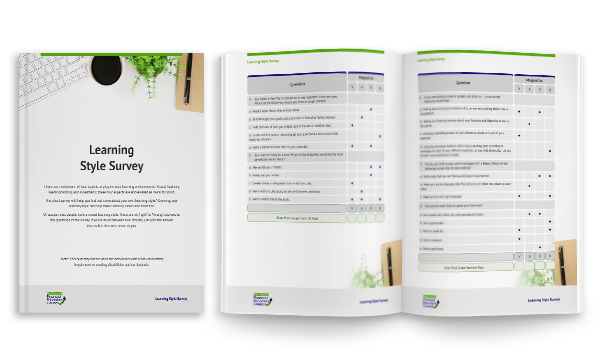
Learning Style Survey

Measure how learners prefer to receive, process, and engage with information.

Interest

Their level of engagement and motivation to learn the subject matter.

Content Knowledge

What learners understand about teaching personal finance topics. (Available with curriculum only.)

Support

The networks, resources, or people they access to help them succeed.

Actions

Specific steps learners take as a direct result of the training.

Outcomes

Real-world impact and measurable results stemming from their learning experience.

Case Study Report Template

A professional tool to document your program’s success and showcase outcomes to funders, employers, and community partners.

Explore CFEI® Training and Financial Education Resources

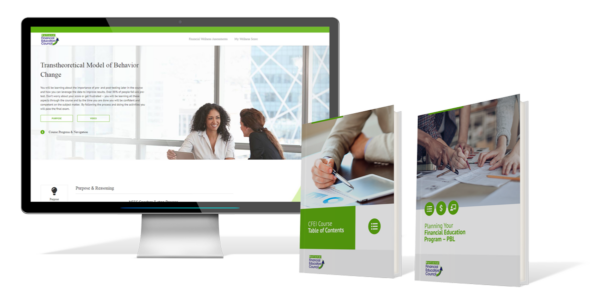
  • Course tour: preview the training, platform and requirements for the CFEI® credential.

  • Graduate experiences: discover how NFEC graduates apply their training.

  • Financial education resources: explore NFEC tools for effective program delivery.

Join a global community of educators committed to helping individuals and communities strengthen practical financial skills. Explore the CFEI® course tour, graduate experiences and financial education resources.

Review the terms and privacy information before using NFEC materials.

Build Your Financial Education Practice

User Experience Tools

Delivering an effective financial education program takes more than solid material – it demands intentional planning, polished facilitation, and consistent reinforcement that helps learners turn insights into long term habits. To support you in offering a truly exceptional experience, we’ve built a full collection of resources that walk you through every stage, from early preparation to delivery and ongoing follow up. Each component is crafted to streamline your workload, create consistency across facilitators and locations, and ensure that every session meets professional standards with clearly defined learning goals.

All elements can be tailored to fit your organization’s brand and environment – including registration processes, facilitator guides, measurement tools, and continuing education materials – so participants receive a cohesive, high quality experience.

This all inclusive toolkit frees you to focus on what matters most: designing meaningful learning moments that strengthen knowledge, encourage positive financial behaviors, and support long term financial well being.
Pre-programming

Preparation checklists, pre-participant surveys, registration workflows, and email templates to build anticipation and set the tone.

Implementation

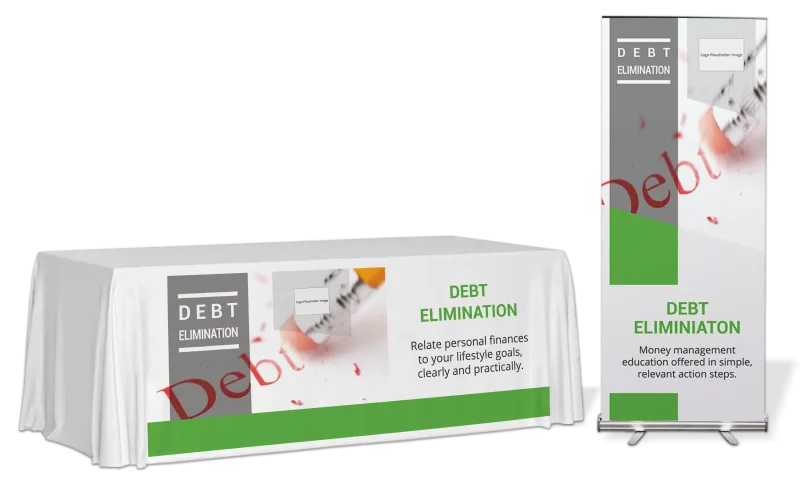
Professional banners, event handouts, measurement tools, and facilitation checklists to ensure smooth, impactful delivery.

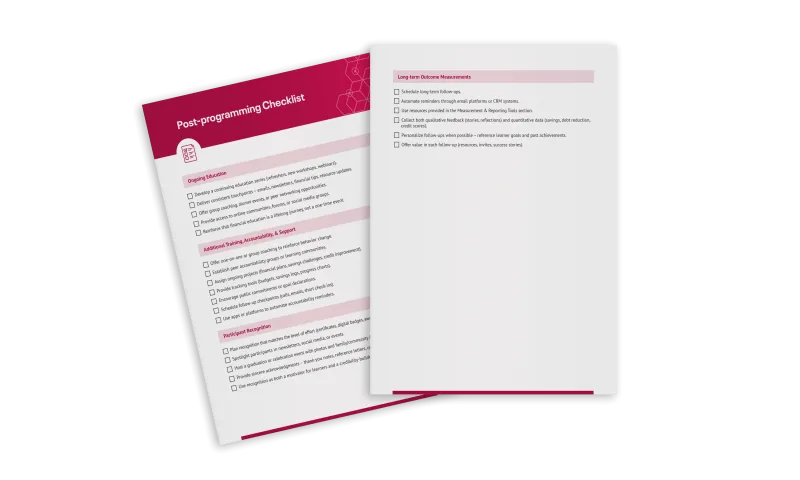
Post-programming

Recognition templates, outcome measurement systems, and ongoing education materials to reinforce learning and strengthen long-term outcomes.

Explore CFEI® Training and Financial Education Resources

  • Course tour: preview the training, platform and requirements for the CFEI® credential.

  • Graduate experiences: discover how NFEC graduates apply their training.

  • Financial education resources: explore NFEC tools for effective program delivery.

Join a global community of educators committed to helping individuals and communities strengthen practical financial skills. Explore the CFEI® course tour, graduate experiences and financial education resources.

Review the terms and privacy information before using NFEC materials.

Build Your Financial Education Practice

2021 Financial Inclusion Survey

Lead organization: Bangko Sentral ng Pilipinas
Type: Historical research

BSP’s 2021 survey examines financial inclusion and financial knowledge in the Philippines. The 2022 report provides a dated national evidence base for understanding financial capability and access to financial services. Official source

No Teacher Left Behind: Towards Improved Financial Education

Lead organization: Authors affiliated with Ateneo de Manila University and the BSP Research Academy
Type: Discussion paper

This June 2023 discussion paper, Series No. 019, examines Philippine teachers’ financial literacy using survey data and comparisons with the wider population. It provides academic context for educator preparation; the analysis is the authors’ work. Official source

Financial Education Policy (DepEd Order No. 022, s. 2021)

Lead organization: Department of Education
Type: Education policy

Provides for stronger integration of financial education across K to 12 disciplines and grade levels, together with capacity building for teachers and other DepEd personnel. It is a central policy reference for financial education in Philippine basic education. Official source

National Strategy for Financial Inclusion 2022–2028

Lead organization: Financial Inclusion Steering Committee, chaired by the Bangko Sentral ng Pilipinas
Type: National strategy

Sets the 2022–2028 national agenda for financial inclusion. Financial education and consumer protection are strategic objectives within a broader framework for access to and responsible use of financial services. Official source

TESDA Online Program Financial Literacy Course

Lead organization: TESDA, in partnership with BSP and BDO Foundation
Type: Public learning program

TESDA’s financial literacy initiative with BSP and BDO Foundation brings financial education to the TESDA Online Program. Its announced topics include financial planning, budgeting, saving and debt management. Official source